
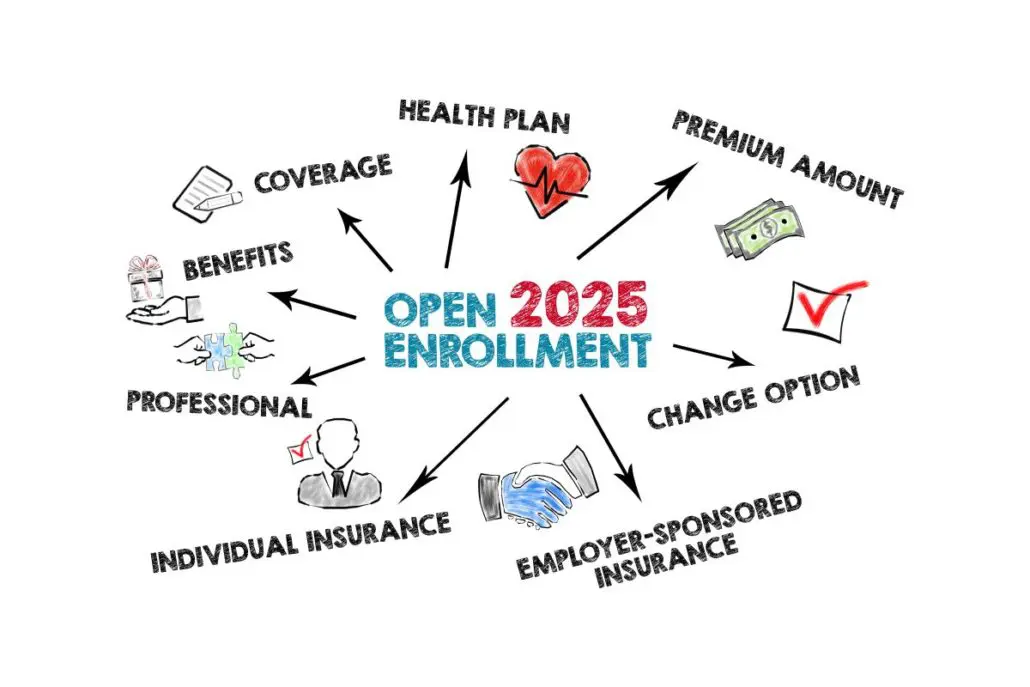
Health insurance costs and options in 2025: from private plans to Medicare/Medicaid in the U.S., plus Canada’s public system. Get coverage insights and tips.
Health insurance is critical to cover medical expenses and protect finances. In the U.S., costs are high and rising. For example, a 40-year-old buying a middle-tier (Silver) ACA plan in 2025 faces an average premium of about $539 per month (over $6,400 annually). Premiums vary widely by state (from ~$390/mo in Virginia up to ~$864/mo in West Virginia) based on local healthcare costs and competition. For Americans, options include employer plans (often subsidized by employers), ACA marketplace plans (with subsidies for many), and government programs (Medicaid for low-income, Medicare for seniors and some disabled).
In contrast, Canada’s health system provides universal public coverage for medically necessary services. Eligible Canadians pay no out-of-pocket for doctor visits, hospital stays, and essential surgeries. Each province runs its plan, but all cover basic care. However, many Canadians supplement with private insurance for services not fully covered – for example, prescription drugs, dental, vision, and ambulance rides. This means most Canadians pay little or nothing at point of care for core services, making private insurance less critical than in the U.S., though still popular for drug plans and extended health benefits.
U.S. Health Insurance Options
-
Employer-Sponsored Plans: Cover about half of Americans. Premiums are partially paid by employers, with various deductibles and networks.
-
Individual/Marketplace Plans: Sold via ACA marketplaces or insurers directly. Available to self-employed and small employers. Subsidies may apply for lower-income buyers.
-
Medicaid: Government coverage for very low-income individuals and families. In expanded states, coverage is wide; in others, it’s limited.
-
Medicare: Federal coverage for those 65+ or certain disabilities. Includes Part A (hospital), Part B (doctor/ambulance), and optional Part D (drugs) and private Part C (Advantage) plans.
-
Supplemental/Gap Plans: Short-term or accident plans to fill gaps (though ACA limited many short-term plans).
2025 Cost Trends
-
Premium Increases: Experts project health plan premiums will rise significantly. Some estimates suggest double-digit increases on the horizon (some models even warned ~80% hikes for 2026, driven by inflation and new treatments). Medical cost inflation (hospitals, providers) remains high, which insurers incorporate into next-year premiums.
-
Prescription Drugs: A major driver of rising insurance costs is drug spending. For instance, U.S. drug spending jumped 11.4% in 2024, fueled by new therapies (oncology, obesity drugs). Expect insurers to adjust coverage policies (e.g. step therapy) to manage these costs.
-
Behavioral Health: Utilization of mental health and substance-abuse services surged (~80% increase in inpatient mental health claims between Jan 2023 and Dec 2024). This could push premiums up but also expands coverage for these historically under-insured needs.
-
Telehealth and Wellness: On the positive side, widespread telehealth (enabled by COVID changes) is here to stay, offering lower-cost care options. Many plans now include virtual visits and preventive health benefits (wellness coaching, chronic care management) with no extra premium.
Tips for 2025 Coverage
-
Compare Plans Carefully: If your income allows ACA subsidies, shop the marketplace each fall. Compare monthly premiums and deductibles, copays, and out-of-pocket limits. The cheapest premium plan might be poor value if it has a high deductible.
-
Subsidies and Medicaid: Check eligibility for subsidies (tax credits) or Medicaid. Millions qualify but don’t enroll, leaving them paying too much. Even a small subsidy can dramatically cut net costs.
-
Employer Plan Analysis: If you have employer coverage, review it during open enrollment. Are there new network changes? Consider Health Savings Accounts (HSAs) if on high-deductible plans – contributions are tax-advantaged.
-
Wellness Programs: Use covered wellness visits (annual checkups, screenings) fully since they’re often free. Engage in employer-sponsored health programs (gym discounts, smoking cessation) to improve health and potentially reduce premiums.
-
Health Savings: Contribute to HSAs if eligible. Unspent HSA funds roll over year-to-year tax-free, and withdrawals for medical expenses are tax-free – effectively giving you discounted healthcare spending.
-
Understand Coverage (U.S. vs Canada):
-
In the U.S., most people need insurance (or subsidies) to avoid high medical costs. Emergency care can be extremely expensive without insurance.
-
In Canada, basic doctor/hospital care is covered. Consider a supplemental plan if you want coverage for prescriptions, dentistry, or ambulance service to avoid out-of-pocket bills in those areas.
-
Conclusion
Health insurance in 2025 remains complex, especially in the U.S. Premiums continue to climb with medical inflation, so budgeting and smart plan choices are crucial. For Americans, leverage marketplace options or employer plans and subsidies, and focus on preventive care to reduce long-term costs. Canadians largely rely on their universal system, but may still buy private coverage for non-core services. In all cases, understanding what your policy covers (network, drugs, specialists) will help avoid surprise costs. Keep an eye on policy changes during open enrollment periods, and don’t hesitate to shop the market for the best fit each year.