
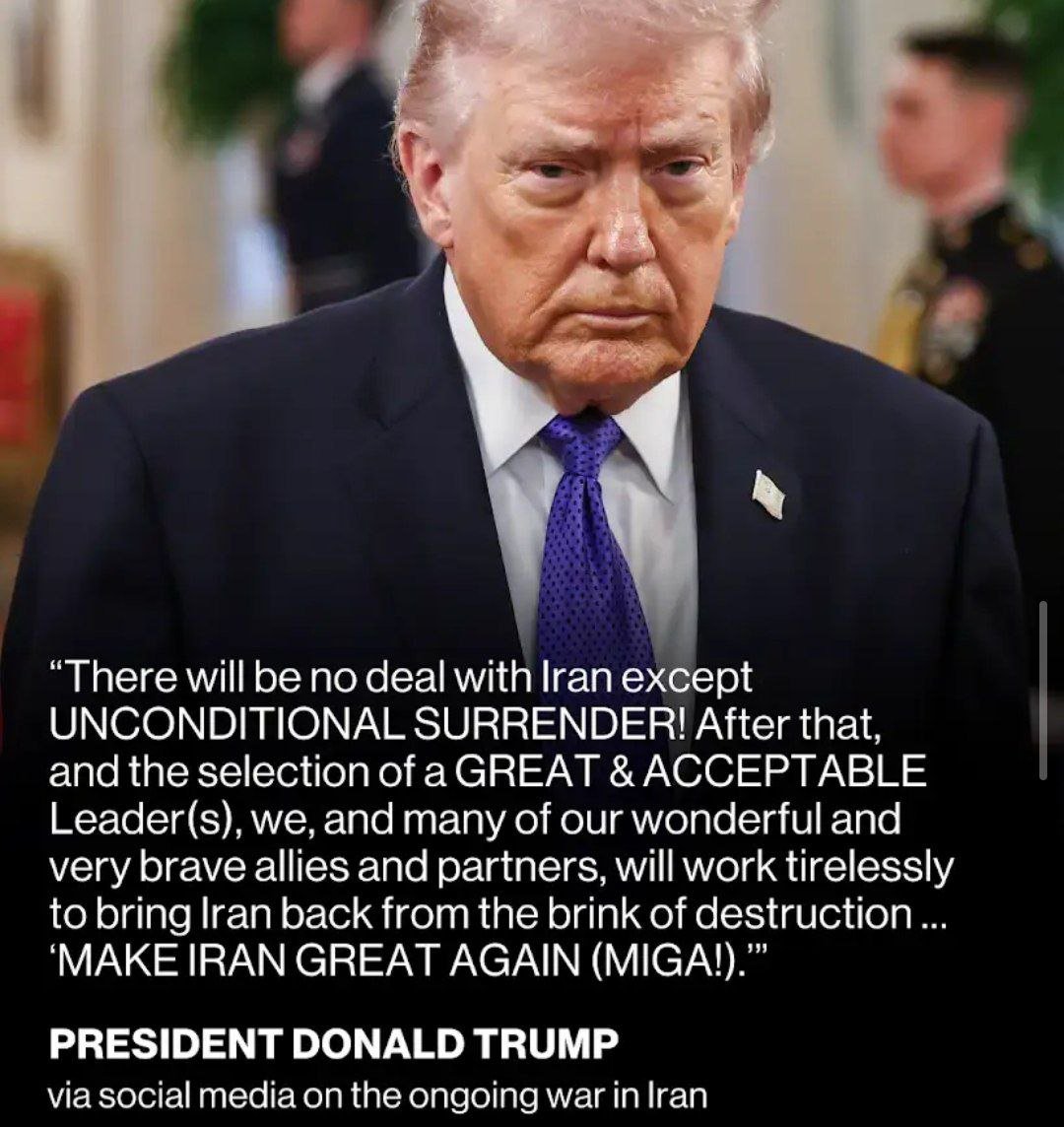
The Middle East is witnessing one of the most dangerous military escalations in decades as the conflict between Iran, Israel, and their respective allies intensifies dramatically. What began as a series of targeted military strikes has rapidly evolved into a broader regional confrontation involving missile attacks, air campaigns, proxy forces, and escalating geopolitical tensions.
In recent days, Israeli airstrikes have expanded beyond traditional military targets to include Iran’s internal security apparatus, signaling a strategic shift in the objectives of the war. Israeli officials say the strikes are aimed at weakening the Iranian regime’s ability to maintain domestic control and suppress opposition movements.
At the same time, Iran has responded with missile and drone attacks targeting Israel, U.S. military bases, and allied countries in the Gulf, raising fears that the conflict could spiral into a wider regional war affecting global energy markets and international security.
This long-form analysis examines the latest developments, the strategic motivations behind the attacks, and the potential consequences of the rapidly expanding confrontation.
Background: Decades of Rising Tensions
The roots of the current conflict stretch back decades. Since the 1979 Iranian Revolution, relations between Iran and Israel have been defined by hostility, ideological rivalry, and competing regional ambitions.
Israel views Iran as its most dangerous adversary in the region, particularly due to Tehran’s:
-
Expanding ballistic missile program
-
Nuclear development ambitions
-
Support for proxy groups such as Hezbollah and militias across the Middle East
For years, Israel has conducted covert operations, cyber attacks, and targeted assassinations aimed at slowing Iran’s military and nuclear development.
Meanwhile, Iran has used a network of regional proxies to project power across Iraq, Syria, Lebanon, Yemen, and Gaza.
Tensions intensified further after diplomatic efforts to curb Iran’s nuclear program stalled, leaving military confrontation increasingly likely.
The Trigger: Coordinated U.S.–Israeli Strikes
The current war escalated dramatically on February 28, 2026, when Israel and the United States launched a coordinated military campaign against Iranian targets. The operation targeted leadership figures, military facilities, and infrastructure linked to Iran’s missile program.
The opening phase of the campaign included strikes across Tehran and other major cities. One of the most dramatic developments was the assassination of Iran’s Supreme Leader Ali Khamenei, who was killed during a targeted airstrike on a leadership compound.
The assassination marked a historic turning point in the Middle East, triggering a power struggle within Iran and accelerating the military confrontation with Israel and its allies.
Israel Targets Iran’s Internal Security Forces
In the latest phase of the conflict, Israeli warplanes launched a wave of airstrikes targeting buildings linked to Iran’s internal security forces in Tehran.
These targets reportedly included facilities connected to:
-
Iran’s internal police forces
-
the Basij paramilitary network
-
government security agencies responsible for suppressing protests
Israeli military officials described the strikes as part of a broader campaign aimed at weakening the regime’s ability to maintain internal stability.
This strategy suggests Israel is attempting to apply dual pressure on Iran:
-
Military destruction of strategic capabilities
-
Political destabilization of the ruling system
Analysts say targeting internal security structures is unusual and indicates a potential shift toward regime-level pressure rather than purely military objectives.
Operation “Epic Fury” and Strategic Goals
According to U.S. defense officials, the joint campaign has been given the operational name “Operation Epic Fury.”
Defense leaders say the mission focuses on several key goals:
-
Destroying Iran’s offensive missile capabilities
-
Eliminating missile production facilities
-
Disabling naval forces in the Persian Gulf
-
Targeting security infrastructure that supports the regime
The U.S. military reported that over 1,000 targets were struck within the first 24 hours of the campaign.
The intensity of the attacks highlights the scale of the operation and the determination of Washington and Tel Aviv to degrade Iran’s military power rapidly.
Massive Airstrikes Across Iran
Airstrikes have continued across multiple Iranian cities and military zones.
Reports indicate that thousands of targets have been hit during the campaign, including:
-
missile factories
-
Revolutionary Guard bases
-
military command centers
-
radar installations
-
naval vessels
According to military assessments, the strikes have severely damaged Iran’s command structure and logistical networks.
One of the most dramatic strikes occurred when 50 Israeli fighter jets bombed an underground bunker in Tehran linked to Iran’s leadership, dropping around 100 bombs on the facility.
The bunker was believed to have served as a command center for senior Iranian officials.
Iran’s Retaliation: Missiles and Drones
Iran has responded aggressively to the attacks, launching waves of missile and drone strikes against Israeli territory and American military installations in the region.
Targets have reportedly included:
-
Israeli cities such as Tel Aviv
-
U.S. bases in the Gulf region
-
military facilities in allied countries
Iranian missile attacks have also struck locations in Bahrain, Kuwait, and other strategic locations hosting American forces.
In addition, Iran has launched hundreds of drones and ballistic missiles against Gulf states, including the United Arab Emirates.
Air defense systems in several countries have intercepted many of these projectiles, but some strikes have caused casualties and infrastructure damage.
Expansion of the Conflict Across the Region
The conflict has rapidly expanded beyond Iran and Israel.
Several additional theaters of war have opened across the Middle East.
Lebanon Front
Hezbollah, Iran’s most powerful regional ally, began launching rockets and drone strikes against Israel following the assassination of Khamenei.
In response, Israel launched heavy airstrikes on southern Beirut and other Hezbollah-controlled areas.
Mass evacuations were ordered as hundreds of thousands of residents fled targeted neighborhoods.
Gulf Region
Iranian missiles have targeted multiple Gulf countries hosting U.S. forces.
Missile and drone attacks have been reported in:
-
Qatar
-
Bahrain
-
Kuwait
-
the United Arab Emirates
These attacks have heightened fears that the war could engulf the entire Persian Gulf region.
Rising Casualties and Humanitarian Concerns
The expanding conflict has resulted in growing civilian casualties.
Reports indicate:
-
more than 1,200 deaths in Iran
-
dozens killed in Lebanon
-
multiple casualties in Israel
-
American troops among the dead
The destruction of infrastructure and continued missile attacks have raised concerns about humanitarian crises across multiple countries.
Schools, residential areas, and transportation infrastructure have been damaged during the fighting.
Impact on Global Energy Markets
One of the most significant global consequences of the conflict has been its impact on energy markets.
The Middle East is the center of the world’s oil supply, and any large-scale war in the region threatens global energy stability.
Following the escalation:
-
oil prices surged sharply
-
shipping routes faced disruptions
-
insurance costs for Gulf shipping increased
Markets reacted immediately as investors feared the closure of key shipping lanes such as the Strait of Hormuz.
Political Reactions Around the World
Governments around the world have reacted with alarm to the rapidly expanding conflict.
Some countries have called for immediate de-escalation, while others have taken sides.
United States
American officials have defended the strikes as necessary to eliminate threats posed by Iran’s missile and nuclear programs.
Washington has also urged Iranian military officers to abandon the regime.
European Union
European leaders have called for urgent diplomatic negotiations to prevent a regional catastrophe.
Gulf States
Several Gulf countries have aligned themselves with the U.S. and Israel in defending against Iranian missile attacks.
The Power Struggle Inside Iran
The assassination of Iran’s Supreme Leader has triggered a major political crisis inside the country.
Iran’s clerical leadership has begun selecting a successor to lead the Islamic Republic.
At the same time, internal protests and political divisions could intensify as the government faces unprecedented military pressure.
Observers say the strikes on Iran’s internal security forces may further weaken the regime’s ability to maintain control.
Military Balance of the Conflict
Despite heavy damage to Iranian infrastructure, Iran still retains significant military capabilities.
These include:
-
ballistic missile forces
-
drone warfare capabilities
-
proxy militias across the region
-
naval forces in the Persian Gulf
Iran’s strategy may focus on asymmetric warfare and prolonged regional instability rather than direct conventional confrontation.
Risk of a Wider Regional War
Experts warn that the conflict could spread further.
Possible escalation scenarios include:
-
large-scale ground battles in Lebanon
-
attacks on shipping in the Gulf
-
cyber warfare targeting infrastructure
-
involvement of additional regional powers
The conflict has already affected more than a dozen countries, highlighting the risk of a full regional war.
What Comes Next?
The next phase of the conflict remains uncertain.
Several possible outcomes are being discussed by analysts:
1. Prolonged Air War
The current air campaign could continue for weeks as Israel and the U.S. attempt to destroy Iran’s remaining military capabilities.
2. Internal Collapse in Iran
If internal security forces weaken, protests and political divisions could destabilize the regime.
3. Regional Escalation
Iran may intensify attacks through proxy forces across the Middle East.
4. Diplomatic Intervention
International pressure may eventually push the sides toward negotiations.
Conclusion
The war between Iran, Israel, and their allies represents one of the most serious geopolitical crises of the 21st century.
The targeting of Iran’s internal security forces marks a major shift in the strategy of the conflict, suggesting that the goal may extend beyond military deterrence to include political transformation inside Iran.
With missile strikes, proxy warfare, and regional instability spreading across multiple countries, the situation remains extremely volatile.
Whether the conflict leads to regime change, prolonged warfare, or a fragile diplomatic settlement remains uncertain.
What is clear, however, is that the outcome of this confrontation will shape the future of the Middle East—and potentially the global balance of power—for years to come.